People ask two different questions and get given the same answer.
The first is whether numbing cream affects how the tattoo goes in — the ink, the stencil, the artist’s work. We’ve covered that: the issue is greasy residue, and it’s solved by wiping clean.
The second question is about afterwards. Does it change how the piece heals? That gets asked less and answered worse.
The honest position
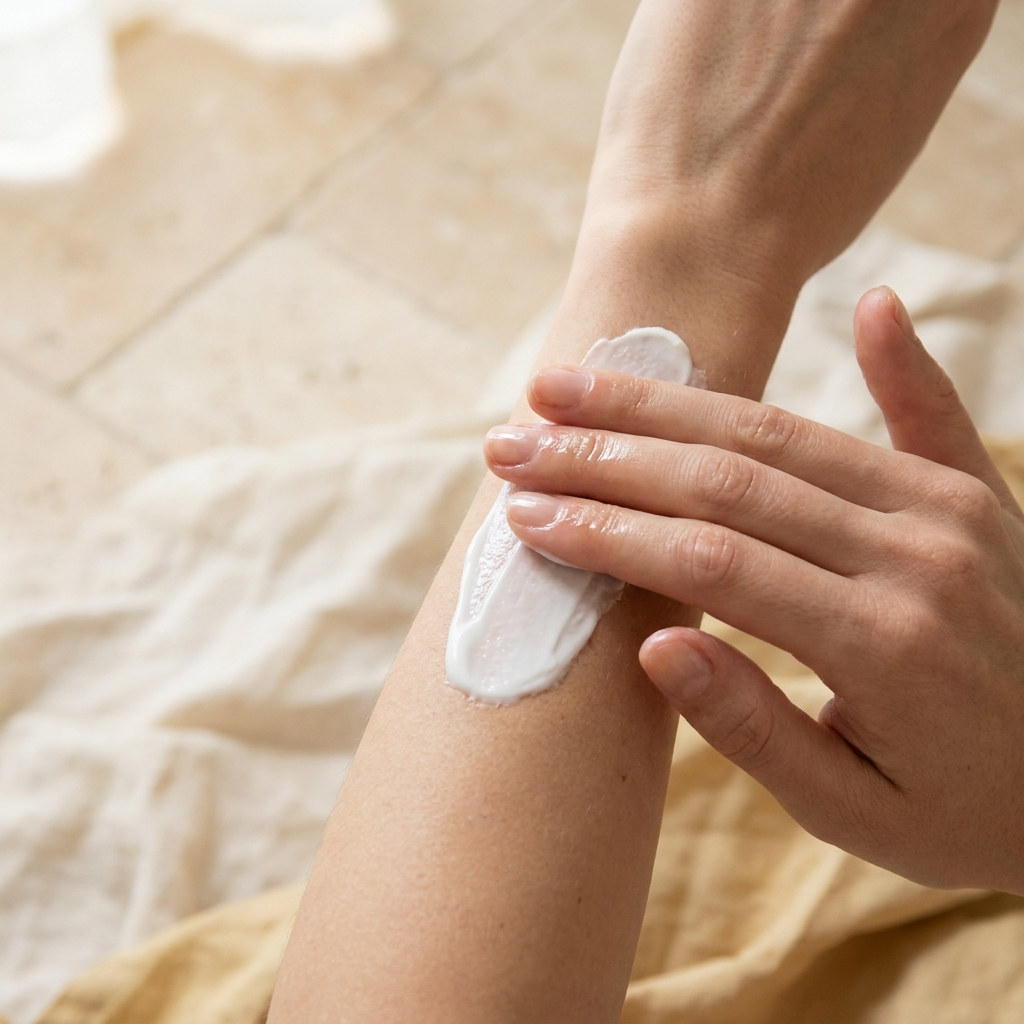
Numbing cream is applied before the session and wiped off before the needle starts. By the time healing begins, it isn’t on your skin any more.
That’s the mechanical answer, and it’s the reason most artists who object to numbing cream object on grounds of the tattooing itself rather than the healing.
But we’re not going to tell you it’s impossible for anything to matter, because we don’t know your skin, your artist, or your aftercare routine. What we can tell you is what to control.
What actually drives healing
Aftercare does the heavy lifting, and none of it involves us:
- Follow your artist’s instructions, not the internet’s
- Keep it clean and don’t pick
- Keep it out of the sun while it’s healing
- Don’t soak it — no baths, pools or sea for the first couple of weeks
If your artist gives you aftercare that contradicts anything you read here, follow your artist. They’ve seen how their work heals on hundreds of people.
The thing worth telling them
Say you used numbing cream, what it was, and when you applied it. Not because it’s likely to matter for healing, but because if anything unusual does happen, your artist can only help if they know what went on the skin.
That one sentence at the start of the session is the entire etiquette.
Before the session
Clean, dry skin. Thick even layer. Cover with cling film. 60–90 minutes. Wipe clean. Full instructions are in our FAQ.
Read next
Dr. Care Numbing Cream, 30g at 5% strength, water-based and non-greasy. Every option is buy one, get one free — see the offers.