Search for numbing cream and you’ll see 4% and 5% products side by side, usually with no explanation of the difference.
The short version
5% is the maximum strength available over the counter. Anything stronger requires a prescription. So when a product says maximum strength, 5% is what that means.
Dr. Care is 5%.
Why the number matters less than you’d think
Here’s the part nobody selling numbing cream wants to say plainly: the difference between a well-applied 4% and a badly-applied 5% is not close. Application beats percentage.
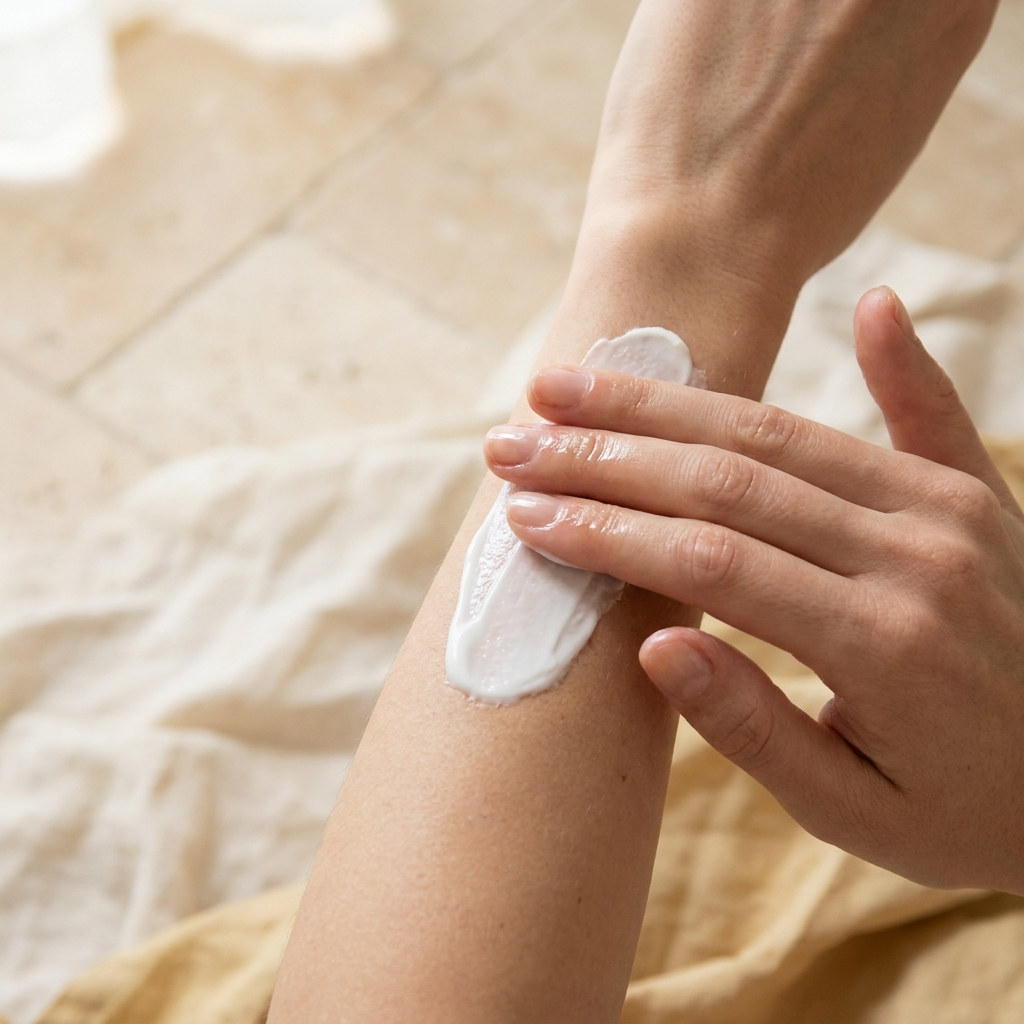
A thin smear of 5% rubbed on twenty minutes before your session will do less than a thick layer of 4% applied properly under cling film for ninety minutes.
The three things that actually decide how numb you get:
- How thick you apply it. Thicker than feels sensible.
- Whether you cover it. The warmth trapped under cling film is doing real work.
- How long you leave it. 60–90 minutes. Not twenty.
Get those right and the percentage is the last variable, not the first.
So why buy 5%?
Because once you’ve got application right, you may as well be starting from the strongest legally available base. There’s no advantage to 4% — it isn’t gentler in any way that helps you.
What else is in it
Strength isn’t the only thing on the label. Dr. Care is water-based rather than oil-based, so it wipes away clean and doesn’t leave residue your artist has to work around. It also carries Emu Oil and Arnica.
Water-based matters more than most people realise — it’s the reason a lot of artists object to numbing cream, and it’s a formulation question, not a strength question.
Read next
Dr. Care Numbing Cream, 30g at 5% strength, water-based and non-greasy. Every option is buy one, get one free — see the offers.